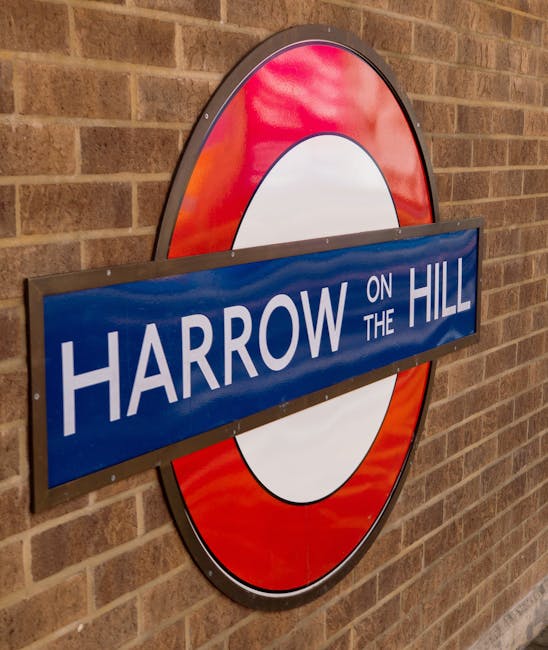
Best gardeners near Harrow on the Hill station: how to choose a local expert who actually makes life easier
If you live, work, or commute through Harrow on the Hill station, you already know the area has its own pace. Some gardens are compact and shaded, others are tucked behind period homes with awkward access, and a lot of them need regular attention just to stay looking calm and tidy. Finding the best gardeners near Harrow on the Hill station is not just about hiring someone with a mower. It is about choosing a local professional who understands the garden you have, the results you want, and the practical realities of maintaining outdoor space in a busy part of North West London.
In this guide, you will learn how to compare gardeners properly, what good service actually looks like, what to ask before you book, and where people tend to get caught out. We will keep it grounded, local, and useful. No fluff. Just the kind of detail that helps you make a decision with confidence.
Table of Contents
- Why Best gardeners near Harrow on the Hill station Matters
- How Best gardeners near Harrow on the Hill station Works
- Key Benefits and Practical Advantages
- Who This Is For and When It Makes Sense
- Step-by-Step Guidance
- Expert Tips for Better Results
- Common Mistakes to Avoid
- Tools, Resources and Recommendations
- Law, Compliance, Standards, or Best Practice
- Options, Methods, or Comparison Table
- Case Study or Real-World Example
- Practical Checklist
- Conclusion
- Frequently Asked Questions
Why Best gardeners near Harrow on the Hill station Matters
There is a big difference between a garden that is technically maintained and one that feels looked after. Around Harrow on the Hill station, that difference shows up quickly. A front garden overgrown by even a few weeks can make a property feel less welcoming. A back garden left too long can become difficult to recover, especially where access is narrow or storage space is limited. Truth be told, it is often the small, regular jobs that make the biggest visual difference.
Local gardening help matters because the area brings a mix of conditions. Some gardens face strong sun on one side and deep shade on the other. Some have mature shrubs, old paving, or trees that drop leaves and debris at the worst possible time. Others are tiny but high-maintenance, which is its own kind of nuisance. A good gardener near the station should understand those everyday realities and adapt, not just turn up with a standard checklist.
That local knowledge also helps with timing. If you are near the station, transport links matter. A gardener who knows the area can plan around access, parking, and quick turnaround. That may sound minor, but it often decides whether a job feels smooth or slightly chaotic. Nobody wants a van blocking a tight road while someone is trying to leave for work, let's face it.
And there is another reason it matters: presentation. Whether you are a homeowner, landlord, tenant, or managing a property between lets, garden care affects how people feel the moment they step outside. A neat border, a cut lawn, trimmed hedges, and cleared paths quietly lift the whole place.
How Best gardeners near Harrow on the Hill station Works
Hiring a local gardener is usually simpler than people expect, but the best results come from a clear process. The strongest gardeners do more than quote for "general gardening". They assess the space, ask what matters most to you, and suggest a plan that fits the season and the garden's condition.
Most jobs in the area tend to fall into a few practical categories:
- Routine maintenance such as mowing, edging, weeding, pruning, and sweeping.
- One-off tidy-ups for neglected gardens, move-outs, or pre-sale presentation.
- Seasonal work like leaf clearance, planting, hedge cutting, and soil refresh.
- More specialist tasks such as pressure washing, turf care, border redesign, or plant replacement.
A good gardener will usually begin with a short site visit or a clear description of the job. Then they decide what equipment, time, and labour are needed. If the garden has tricky access or unusually heavy overgrowth, that changes the plan. A properly run service will be upfront about that rather than pretending every job is a quick tidy.
In practice, the best local gardeners work in a rhythm: assess, quote, agree the scope, do the work, and leave the site clean. That last part matters more than people think. A tidy finish is often what separates a decent visit from a genuinely professional one.
Key Benefits and Practical Advantages
Choosing a capable local gardener near Harrow on the Hill station gives you more than a prettier lawn. It can save time, reduce stress, and stop small problems becoming expensive ones. A lot of garden issues start quietly. Weeds in one corner. A hedge left one season too long. Leaves blocking drainage. Then suddenly the whole place feels behind.
Here are the main advantages people usually notice first:
- Better consistency: regular care stops the garden swinging between tidy and neglected.
- Faster turnaround: a local gardener can often schedule around you more flexibly.
- Improved kerb appeal: important for family homes, rental properties, and sale preparation.
- Less physical strain: not everyone wants to wrestle with pruning shears on a Saturday morning.
- Healthier plants and lawns: good trimming, feeding, and timing make a visible difference over time.
There is also a practical emotional benefit, if that makes sense. A well-kept garden does something for your head. You look out the window at 8 a.m., coffee in hand, and the space feels ordered. Not perfect. Just under control. That is a real quality-of-life gain, especially in a busy London area where outdoor space is precious.
For landlords and letting agents, the benefit is even simpler: fewer complaints, better first impressions, and a property that feels cared for. For older residents or busy families, it can mean the difference between enjoying the garden and feeling guilty every time you step outside.
Who This Is For and When It Makes Sense
The short answer? Almost anyone with a garden who would rather not manage it alone. But there are a few situations where hiring the best gardeners near Harrow on the Hill station makes especially good sense.
You may need local gardening support if you are:
- A homeowner with limited time or a garden that has become difficult to keep on top of.
- A tenant who wants outdoor space maintained without upsetting the property manager.
- A landlord preparing a property for new tenants or regular inspections.
- A seller trying to improve first impressions before viewings.
- An older resident who wants reliable help with jobs that are no longer easy to do safely.
- A busy family that needs a practical, repeatable garden care routine.
It also makes sense if your garden has a few awkward features: steep levels, narrow side access, mature plants that need care rather than brute force, or simply too much to do in one weekend. A lot of people reach out after trying to "catch up" themselves. The grass gets high, the edges disappear, and suddenly the job is bigger than expected. Happens all the time.
That is not a failure. It is just a sign that you need a service that fits real life, not an idealised version of it.
Step-by-Step Guidance
If you want a gardener you can trust, it helps to approach the search in a sensible order. Rushing often leads to vague quotes and patchy results.
1. Define what you actually need
Start with the basics. Do you need mowing every two weeks? A one-off tidy-up? Hedge trimming? Border weeding? New planting? The clearer you are, the easier it is to compare gardeners on a like-for-like basis. A vague request almost always leads to a vague quote.
2. Look for local relevance
Someone working near Harrow on the Hill station should understand local access, parking, and garden styles in the surrounding streets. Proximity matters because it affects responsiveness. It also usually helps with ongoing visits, especially if you want regular maintenance rather than a single job.
3. Check the range of services
Some gardeners focus on maintenance only. Others also handle planting, clearance, soft landscaping, or seasonal work. If you need more than mowing, choose someone whose service range matches your garden over the next 6 to 12 months, not just this week.
For more background on choosing a reliable local service, it can help to explore the broader gardeners service page and see how the different options fit together.
4. Ask how they quote
Do they charge by the hour, by the visit, or by the job? There is no single right answer, but the basis of pricing should be clear. If a quote seems unusually low, ask what is included. Waste removal, for example, can change the final cost. So can access issues, very heavy overgrowth, or specialist equipment.
5. Review communication style
In our experience, this matters more than people expect. If a gardener replies promptly, explains things clearly, and does not make the job sound more complicated than it is, that is usually a good sign. You want someone who listens as well as talks.
6. Start with a trial visit if needed
If you are unsure, a one-off visit can be a smart first step. You can see how they work, how tidy they leave the space, and whether they respect the garden rather than just "getting through it". That tells you a lot. Sometimes more than a polished website ever will.
7. Set a simple routine
Once you find the right fit, agree on a practical schedule. Weekly, fortnightly, monthly, or seasonal. The best results usually come from consistency rather than dramatic interventions. Gardens, annoyingly, do not look after themselves.
Expert Tips for Better Results
If you want noticeably better results from your gardener, a few simple habits go a long way.
- Be specific about outcomes. Say "clear the back border and shape the hedge" rather than "just tidy the garden".
- Keep a short priority list. A numbered list helps the work stay focused when time is tight.
- Tell them about problem areas. Boggy patches, hidden roots, awkward taps, broken gates, and fragile plants all matter.
- Plan around the season. Spring and autumn often need different approaches. Summer is not just about mowing, and winter is not just about waiting.
- Leave access clear. If the team can get in and out easily, the job often goes smoother and quicker.
Here is a small but useful tip: take a quick photo of the garden before the first visit and send it with your message. It helps the gardener judge scale, slope, and condition far more accurately than a short description does. A picture by a wet fence line at 7:45 in the morning tells a story, as they say.
Another good habit is to ask what the gardener recommends for the next visit, not just the current one. A proper professional will usually think ahead a little. Maybe the hedge should wait until after nesting season. Maybe the lawn needs repair in a cooler month. Maybe a border needs dividing rather than just trimming. Those are the kinds of insights that make a service genuinely valuable.
If you are comparing service quality across nearby areas, you may also find it useful to look at nearby local pages such as gardeners in Harrow and garden maintenance in North Harrow to understand how services are typically structured.
Common Mistakes to Avoid
People usually do not choose the wrong gardener because they are careless. They choose poorly because the search is rushed, or because everything sounds similar at first glance. That is where the trouble starts.
- Choosing only on price: the cheapest quote can leave out waste removal, cleanup, or the time needed for a proper finish.
- Not defining the job: "garden help" is too broad. Be clear.
- Ignoring access issues: narrow gates, parking restrictions, and awkward entry points can affect time and cost.
- Assuming every gardener does every task: not all of them handle landscaping, tree work, or heavy clearance.
- Skipping the first conversation: a short call or message exchange reveals a lot about reliability.
One mistake people make around station-adjacent properties is underestimating the importance of timing. If access is easier before commuters are out and about, or if parking is simpler at certain times of day, mention it early. A good local gardener will appreciate the heads-up.
And yes, it is tempting to leave the garden "one more week" and hope it sorts itself out. It rarely does. Nature is polite, but not that polite.
Tools, Resources and Recommendations
A quality gardening service should bring the right tools for the job, but it helps to know what professional maintenance usually involves. You do not need to be an expert yourself. Just enough awareness to spot whether the service is properly equipped.
| Task | Typical tools or resources | What good looks like |
|---|---|---|
| Lawn care | Mower, strimmer, edging tools, rake | Even cut, tidy edges, clippings removed or managed properly |
| Pruning and shaping | Secateurs, shears, loppers, pruning saw | Clean cuts, no shredded stems, plants kept in natural shape |
| Weeding and bed care | Hand tools, hoe, mulch, bags for waste | Roots removed where practical, beds left neat, soil not badly disturbed |
| Clearance work | Rakes, sacks, wheelbarrow, cuttings bags | Debris collected safely and site left clean |
| Seasonal planting | Planting tools, compost, watering equipment | Right plant in the right place, based on light and soil conditions |
For homeowners who like to stay involved, a small kit can be useful between visits: sturdy gloves, secateurs, a hand fork, a watering can or hose, and a basic leaf rake. That is enough for most light upkeep. Anything more complex is usually better left to a professional, especially if a plant is established and you do not want to damage it by overcutting.
If you are looking for a wider service relationship rather than a single tidy-up, a dedicated garden maintenance service can be a sensible option because it keeps the work consistent and the garden easier to manage over time.
Law, Compliance, Standards, or Best Practice
For most household garden work, there is no complicated legal framework that you need to master. Still, there are a few standards and best practices worth keeping in mind, especially in London where homes sit close together and access can be sensitive.
Noise and timing: power tools and loud equipment should be used considerately. If the work is in a residential area, sensible timing matters. Early mornings and late evenings can upset neighbours quickly, even when the job itself is perfectly legitimate.
Waste handling: garden waste should be managed responsibly. Whether it is taken away or composted on site depends on the job, but it should never be left in a way that creates a nuisance. If removal is included, ask how it will be handled.
Plant care and protection: good practice means being careful around nesting birds, protected wildlife, and delicate mature planting. Most gardeners know this instinctively, but it is worth saying out loud. Rough handling can create avoidable problems.
Safety: ladders, hedge cutting at height, sharp tools, and manual lifting all require care. A professional should work safely and avoid shortcuts. If a task looks risky, it is fair to ask how it will be done.
Property access and neighbour boundaries: in tight urban settings, it helps if the gardener is respectful about boundaries, gates, shared access, and any property-specific instructions. Small courtesies matter. A lot.
If you are managing a rental property, check your own obligations around upkeep and access permissions before booking a service. A reliable gardener can do the work, but it is still wise to make sure the timing and scope are agreed properly.
Options, Methods, or Comparison Table
Not every garden needs the same kind of support. Some people only want occasional help. Others need a regular schedule. The right choice depends on how much time you have, how much the garden grows, and how polished you want it to look.
| Option | Best for | Pros | Trade-offs |
|---|---|---|---|
| One-off tidy-up | Neglected gardens, pre-sale prep, seasonal reset | Fast improvement, useful when time is limited | Does not maintain the result for long without follow-up |
| Weekly maintenance | Fast-growing gardens, busy households, presentation-focused homes | Very consistent, least stress for the owner | Higher ongoing commitment |
| Fortnightly maintenance | Typical suburban gardens | Good balance of cost and upkeep | May need seasonal adjustments |
| Monthly or seasonal visits | Lower-maintenance gardens or smaller spaces | Flexible and budget-friendly | Can be too spaced out in peak growing periods |
For many properties near Harrow on the Hill station, fortnightly maintenance is the sweet spot. Not always, but often. It keeps things under control without feeling excessive. If the garden is very small or slow-growing, monthly may be enough. If it is a busy family garden with hedges, borders, and a lawn, more frequent visits may be worth it.
Case Study or Real-World Example
Imagine a small rear garden close to the station: a lawn that has started to thin, two borders full of weeds, and a hedge that has crept out of shape. Nothing dramatic. Just the kind of garden that quietly slips from "fine" to "a bit much" over a few months.
The homeowner wants it looking decent again before guests come round on a Saturday afternoon. They do not need a full redesign. They need practical help. A good gardener would likely start with a tidy-up, remove the obvious weeds, edge the lawn, shape the hedge lightly, and clear the cuttings. Then they might suggest a simple follow-up plan: keep the lawn on a regular cut, tackle the borders next month, and revisit the hedge in season.
That kind of service works because it solves the immediate problem without trying to sell a dramatic overhaul. It also gives the homeowner something realistic to maintain. The garden looks better, feels easier, and stops being a background worry. Simple, but very effective.
We have seen this kind of situation plenty of times. The nicest gardens are not always the fanciest ones. Often they are simply the ones that receive steady, sensible care.
Practical Checklist
Use this checklist before you book a gardener near Harrow on the Hill station.
- Have you clearly described the work you need?
- Do you know whether it is a one-off job or ongoing maintenance?
- Have you shared photos of the garden if the space is hard to judge?
- Have you asked what is included in the quote?
- Have you checked whether waste removal is covered?
- Have you mentioned access, parking, or entry restrictions?
- Have you asked about timing and availability?
- Do you know whether they handle the specific tasks you need?
- Have you thought about seasonal follow-up work?
- Do you feel confident in their communication and professionalism?
Expert summary: the best local gardeners are not just good at cutting, trimming, and clearing. They make the whole process feel straightforward. They ask the right questions, leave the space neat, and help you keep the garden under control without turning it into a project.
Conclusion
Finding the best gardeners near Harrow on the Hill station is really about fit. You want someone local, responsive, careful, and practical. Someone who understands the rhythm of your garden, the pressure of everyday life, and the difference between a quick tidy and proper ongoing care. When that fit is right, the garden stops feeling like a burden and starts feeling like part of the home again.
If you are comparing options, keep it simple: clear brief, clear quote, clear expectations. That is where good results usually begin. Not in fancy promises. Just in steady, sensible work done well.
Get a free quote today and see how much you can save.
And if you take one thing away from this guide, let it be this: a calm, well-kept garden is rarely an accident. It is usually the result of small, reliable care, done by the right person at the right time.
Frequently Asked Questions
How do I find the best gardeners near Harrow on the Hill station?
Start by looking for a local gardener with the right service range, clear communication, and experience with the type of garden you have. Ask for a specific quote and check whether they handle the exact tasks you need, not just general maintenance.
What should a gardener near Harrow on the Hill station be able to do?
Most good gardeners should handle routine work such as mowing, edging, weeding, pruning, hedge trimming, and seasonal tidy-ups. Some also provide planting, clearance, or soft landscaping. The key is matching their skills to your actual garden needs.
Is it better to book a one-off tidy-up or regular garden maintenance?
If your garden gets out of hand quickly, regular maintenance usually gives better value over time. A one-off tidy-up is ideal for a reset, but regular visits are better if you want the space to stay neat with less effort from you.
How often should a garden near the station be maintained?
That depends on the garden size, planting, and season. Many homes do well with fortnightly visits, while smaller or slower-growing gardens may only need monthly or seasonal support. In peak growing periods, more frequent care is often sensible.
Do gardeners take away green waste?
Some do, some do not, and some include it in the quote while others charge separately. Always ask. Waste removal can make a noticeable difference to the final price and to how tidy the job feels once the work is done.
How much does local gardening usually cost?
Costs vary depending on the size of the garden, the tasks involved, access, and whether waste removal is included. It is better to ask for a clear quote based on the actual job rather than guessing from a general price list.
Should I choose a gardener based only on price?
No. Price matters, of course, but the cheapest option can leave out important work or deliver a rushed finish. Look at reliability, scope, communication, and whether the quote matches the outcome you want.
What questions should I ask before hiring a gardener?
Ask what is included, how they charge, whether they bring their own tools, if waste removal is covered, and whether they have experience with gardens like yours. Those questions usually tell you enough to make a sensible decision.
Can a gardener help if my garden is badly overgrown?
Yes, many can, but the job may need extra time, different tools, or a staged approach. It is best to be honest about the garden's condition so the gardener can quote properly and avoid surprises on the day.
Are local gardeners used to tight access and parking near Harrow on the Hill station?
Good local gardeners usually are. Nearby stations and residential streets often mean parking and access need a bit of planning, so it helps to mention that upfront. A nearby professional will normally understand the logistics better than someone coming from much further away.
What is the difference between gardening and garden maintenance?
Gardening is the broader term and can include planting, pruning, and improving the garden over time. Garden maintenance usually refers to keeping the space tidy and healthy on a regular basis, such as mowing, weeding, and hedge care.
How do I know if a gardener is professional and trustworthy?
Look for clear responses, a sensible quote, straightforward explanations, and respect for your property. A professional gardener should be easy to deal with, honest about what they can do, and willing to clarify details before starting work.