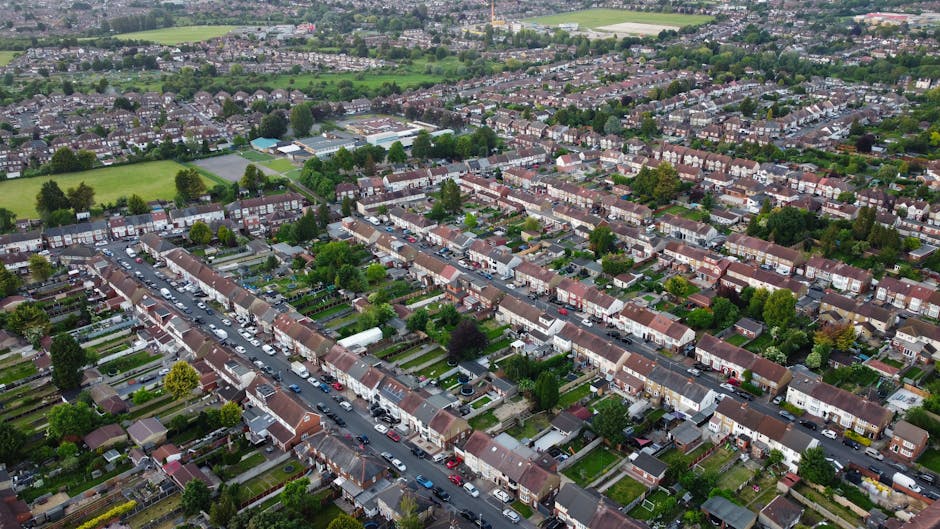
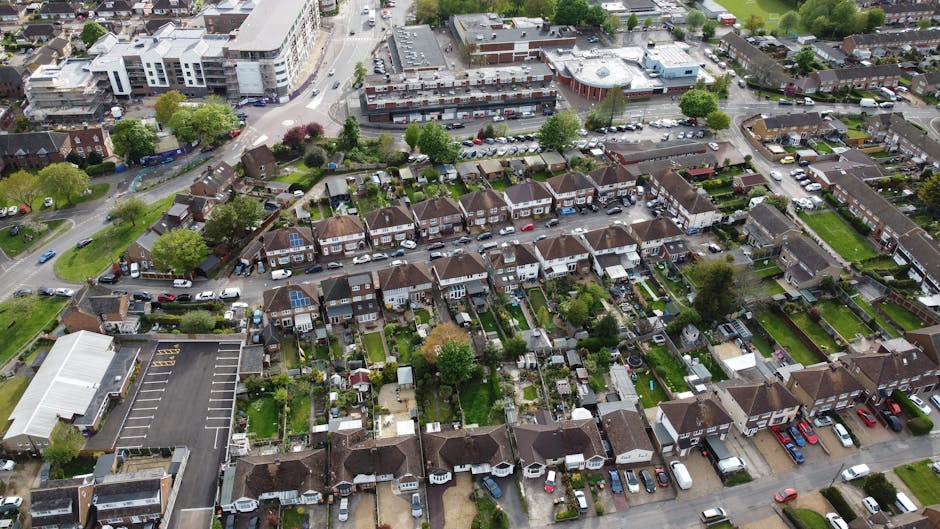
What to know about access problems for Harrow garden jobs
If you are planning garden work in Harrow, access can make the difference between a smooth, tidy job and a frustrating one. Narrow side passages, locked gates, awkward parking, shared drives, basement steps, overgrown front gardens, and bins left right where the crew needs to work - these little things add up fast. That is exactly why what to know about access problems for Harrow garden jobs matters before anyone picks up a hedge trimmer, mower, or wheelbarrow.
In practice, access issues affect timing, labour, safety, equipment choice, waste removal, and sometimes even whether a job can be completed in one visit. A garden that looks straightforward from the pavement can turn out to be a logistical puzzle once you start moving heavy cuttings, timber, soil, or machinery. The good news? Most access problems are manageable with a bit of planning, clear communication, and realistic expectations. This guide walks through the common issues, what they mean on the ground, and how to handle them without drama.
Table of Contents
- Why access problems matter
- How access issues affect Harrow garden jobs
- Key benefits of planning access properly
- Who this is for and when it makes sense
- Step-by-step guidance
- Expert tips for better results
- Common mistakes to avoid
- Tools, resources and recommendations
- Law, compliance, standards and best practice
- Options, methods and comparison table
- Case study or real-world example
- Practical checklist
- Conclusion
- Frequently asked questions
Why What to know about access problems for Harrow garden jobs Matters
Access sounds like a small operational detail, but it often drives the whole job. If a gardener can't get equipment into the rear garden, if cuttings need to be carried through a narrow house, or if a large branch has nowhere sensible to be stacked, the work slows down immediately. And once work slows down, cost and disruption can rise with it.
In Harrow, this comes up a lot in terraced streets, semi-detached properties with shared passages, older homes with tight side access, and newer developments where parking is controlled. You may also find access problems at the boundary between neighbourly convenience and practical reality. One gate is always a bit stiff. The drive is usable, but only if nobody parks across it. The lawn is simple enough to reach, but the waste still has to come back out somehow. Small stuff, really. But small stuff matters.
There is also the safety angle. A crew carrying heavy tools through cramped space has less room for error. That can mean more chance of damage to fences, walls, doors, patios, glazing, or planting. It can also mean higher physical strain for workers. For jobs like tree lopping and removal or garden clearance, access becomes even more important because the materials are bulkier and the movements are less forgiving.
Key takeaway: access problems are not just an inconvenience. They affect pricing, scheduling, safety, and the final quality of the work.
How What to know about access problems for Harrow garden jobs Works
The basic process is simple: the gardener assesses how people, tools, and waste will move in and out of the site. That assessment usually happens before the job starts, often from photos, a phone conversation, or a site visit. The more awkward the access, the more important that pre-job review becomes.
In a typical garden job, a team needs to answer a few plain-English questions:
- Can we reach the back garden without going through the house?
- Is the gate wide enough for mowers, barrows, or larger tools?
- Is there parking nearby for a van or trailer?
- Will waste need to be carried a long distance to the vehicle?
- Are there steps, steep slopes, muddy patches, or fragile surfaces?
- Do we need permission to use a shared entrance or common area?
Sometimes access is fine for one kind of work and difficult for another. A light lawn mowing visit may be easy enough, but a job involving brash, hedge cuttings, timber, or soil may need extra labour. That is why access should be discussed alongside the type of service, not after the quote is already set.
Good contractors will think in terms of route planning. They'll look at the shortest practical route, the safest route, and the least disruptive route. Those are not always the same thing, by the way. The obvious path is not always the best one.
Key Benefits and Practical Advantages
Planning access properly brings a few very real benefits. Some are obvious, some only show up once you've been through a messy job or two.
- More accurate pricing: the crew can factor in extra carrying time, manual handling, or special equipment.
- Less disruption: neighbours, driveways, and internal spaces stay protected.
- Safer working: fewer awkward lifts and fewer rushed movements around tight corners.
- Cleaner results: waste can be removed efficiently instead of being piled up in the wrong place.
- Better scheduling: the team knows whether the job needs one visit, a longer visit, or multiple trips.
There is also a trust benefit. When the access is discussed honestly upfront, everybody has a clearer idea of what to expect. That matters for garden maintenance, hedge work, landscaping, and larger projects where different trades or phases may overlap. If you are comparing broader service options, the services overview is a useful place to understand how different garden tasks fit together.
To be fair, most homeowners are happy to help once they know what is needed. It is the surprise requests that cause tension. A five-minute conversation before the job can save a half-hour headache later.
Who This Is For and When It Makes Sense
This topic matters to anyone arranging garden work where access might not be straightforward. That could be a homeowner with a narrow path, a landlord with multiple entry points, or a managing agent dealing with shared outdoor areas. It also applies to people who are booking routine work rather than one-off heavy jobs.
It is especially relevant if you are:
- in a terraced or semi-detached property with side access only
- managing a rear garden with no direct vehicle access
- dealing with overgrown areas that are hard to walk through safely
- booking seasonal jobs after a long gap in maintenance
- planning work that generates a lot of green waste
- adding new features like decking, borders, or hard landscaping
If the work is light and the route is simple, access may barely matter. But once the job involves larger materials, repeated wheelbarrow runs, or frequent trips to dispose of waste, it matters a lot more. For example, a typical hedge trimming visit may be straightforward if the hedge is at the front, while a back-garden job behind a locked, narrow passage can need extra planning from the start.
And yes, sometimes the issue is less about the garden and more about the people in the garden. Dogs, children, delivery times, neighbour parking, a resident who works from home - all of that can shape how access needs to be handled.
Step-by-Step Guidance
If you want to reduce access problems before the first tool comes out, follow a simple sequence. Nothing fancy. Just practical groundwork.
- Walk the route yourself. Start at the street or parking spot and follow the exact path a gardener would take. Look for bottlenecks, low branches, slippery steps, and anything that swings open awkwardly.
- Take clear photos. A few well-lit photos of gates, side passages, rear entrances, and the main working area are often enough to flag issues early. Morning light helps. So does standing back a little.
- Measure the tight spots. Gate width, passage width, step height, and turning space all matter. You don't need engineering precision, just enough to rule in or rule out larger equipment.
- Identify what needs moving. Think about waste, tools, water hoses, compost, pots, furniture, and anything fragile.
- Check parking and unloading. A van parked three doors away is not the same as a van parked outside the property. Time adds up quickly.
- Flag shared-access issues early. If you need to use a neighbour's side gate or a communal entrance, ask first and agree the practical details.
- Decide what can stay in place. Some items can be protected and worked around; others should be moved completely. Be honest here.
- Confirm the waste plan. Will waste be bagged, stacked, loaded directly, or taken in several trips? This matters for quotes and duration.
When you are booking a broader project, it helps to pair access details with the specific service. A garden maintenance visit may only need a simple route, while something like landscaping may involve materials, tools, and deliveries that need a more careful setup.
Practical rule: if you would find it awkward to carry a full bin bag through the route twice, a garden crew will probably need to plan for that, too.
Expert Tips for Better Results
Over time, the best access solutions tend to be the boring ones. Clear, early, and specific. Not glamorous, but very effective.
- Send pictures from the actual route, not just the garden. The gate, path, parking point, and waste exit matter as much as the lawn itself.
- Leave gates unlocked where appropriate. If it is safe and sensible to do so, this can save repeated delays. If not, make the locking plan clear.
- Move bins, bikes, toys, and portable furniture out of the way before arrival. It sounds obvious. It is often missed.
- Protect vulnerable surfaces. Fresh gravel, soft turf, narrow decking boards, and decorative edging can all be easily damaged. If your project includes outdoor structures, the access route may need to be adjusted around decking services or other finished features.
- Plan for the waste before the waste exists. This is where many jobs get messy. Cuttings pile up fast.
- Tell the contractor about pets and children. Not because they are a problem, but because working near moving bodies in a tight space is never ideal.
A small practical win: if you have a side passage, sweep it lightly beforehand. Even a quick clear-up helps a lot. Wet leaves, mud, and hidden toys can turn a short path into a clumsy one, and nobody wants that on day one.
If access is particularly awkward, a contractor may recommend breaking the work into stages or pairing the job with a more targeted service, such as garden clearance before finer maintenance work begins.
Common Mistakes to Avoid
A lot of access issues are completely preventable. The trouble is, they tend to be forgotten until someone is already standing at the gate with a strimmer in hand.
- Assuming the front view tells the whole story. A neat frontage can hide a very difficult rear route.
- Booking without mentioning parking restrictions. In Harrow, parking can be the make-or-break detail for timing.
- Forgetting about waste movement. Even if the work area is easy to reach, the exit route may not be.
- Not warning about loose paving, steep steps, or uneven ground. These things change how safely the team can move.
- Leaving the property "almost ready." Almost ready usually means five extra jobs for the crew and an annoyed homeowner.
- Hiding the awkward bits. Let's face it, people do this. But the job will go better if the problem is named early.
One thing to remember: access problems are not a sign that you've done anything wrong. Gardens evolve. Gates sag. Plants overgrow. Driveways get blocked. Life happens. The mistake is not the problem itself; it is pretending the problem won't affect the work.
Tools, Resources and Recommendations
You do not need specialist software or a big planning system to sort most access issues. A few simple tools are usually enough.
- Phone photos: useful for sharing the exact route and the tight spots.
- Basic tape measure: handy for gate widths, passage widths, and step sizes.
- Notepad or notes app: keep track of parking times, neighbour access permissions, and any instructions.
- Garden gloves and a broom: surprisingly useful for clearing the route before work begins.
- Tarps or covers: help protect paths and surfaces where traffic is likely.
For larger jobs, a contractor may bring wheelbarrows, collection bags, lightweight cutting tools, or compact machinery chosen specifically for tight access. The trick is matching the equipment to the route, not forcing the route to fit the equipment.
If the job is part of a wider outdoor improvement, it can be worth reviewing related pages such as landscape gardening or the more general services overview so the work is planned as one joined-up project rather than a series of isolated tasks.
Law, Compliance, Standards and Best Practice
Access planning is not just a convenience issue. It overlaps with safe working practice, manual handling, neighbour relations, and sometimes insurance conditions. While this article is not legal advice, a sensible approach in the UK is to treat access as part of the job risk assessment, especially where heavy lifting, machinery, or shared areas are involved.
Good practice usually includes:
- checking whether access routes are safe for repeated use
- avoiding unnecessary damage to property or shared spaces
- making reasonable arrangements for waste handling
- being clear about who is responsible for unlocking gates or moving obstacles
- considering whether a job needs more than one visit because of access limits
If you are booking professional garden work, it is sensible to ask whether the contractor has suitable cover and procedures in place. A page like insurance and safety is the kind of place where a responsible business should explain how it approaches risk. Likewise, documented health and safety policy information can give you confidence that awkward access has been thought through, not guessed at.
If access touches on disability, mobility, or inclusive arrangements, the practical standard is simple: make routes as usable and safe as possible, communicate clearly, and do not make assumptions. If a property has special access needs, those should be discussed carefully and respectfully.
Options, Methods, or Comparison Table
There is no single best access method for every Harrow garden job. The right choice depends on the route, the volume of waste, and how much disturbance you can tolerate.
| Access approach | Best for | Pros | Limitations |
|---|---|---|---|
| Direct rear access | Gardens with a clear gate or driveway route | Fast, tidy, efficient | Needs enough width and safe surfaces |
| Side passage access | Typical terraced or semi-detached homes | Often simple and practical | Can be narrow, wet, or blocked by storage |
| Through-house access | Properties with no outside route | Sometimes the only option | More risk of damage, mess, and disruption |
| Manual carry with staged loading | Jobs with poor vehicle access | Flexible and often workable | Slower and more labour-intensive |
| Split visit or phased work | Large clearances or landscaping projects | Reduces congestion and confusion | May take longer overall |
In many real jobs, the answer is a mix of methods. A hedge trim might use side access for tools and front loading for waste, while a clearance job may need staged removal. That mix-and-match approach is often the most realistic one, and honestly, the least stressful.
Case Study or Real-World Example
Here is a typical scenario. A homeowner in Harrow wants a neglected back garden cleared before a family gathering. The front of the property looks fine, but the side access is narrow, the gate sticks a bit, and the garden contains old pots, a broken shed panel, and a patch of waist-high growth near the fence.
At first glance, it feels like a one-visit job. But once the access route is checked, a few things become clear. The gate is just wide enough for hand tools, not ideal for bulk waste. The passage has a soft patch of ground after recent rain. And the only place to park is a short walk away. Nothing impossible. Just not as easy as it first looked.
The sensible solution is to clear the route first, use lighter equipment, and plan for additional carrying time. Instead of trying to force the job into a rushed schedule, the work is split into clear stages: access prep, clearance, waste loading, and a final tidy. The result is neater, safer, and less stressful for everyone. No drama, no damage, no last-minute panic before the weekend guests arrive.
That kind of job comes up more often than people expect. It is why a proper pricing and quotes conversation should include access, not just square footage or the visible size of the garden.
Practical Checklist
Use this checklist before booking or starting work. It is simple, but it catches a lot of problems early.
- Have I walked the full access route from street to garden?
- Are gates, latches, or locks easy to use?
- Is there enough space for tools, barrows, or waste bags?
- Have I measured any tight passages or steps?
- Do I know where the crew will park?
- Have I told the contractor about shared access, neighbours, or restricted times?
- Are loose objects, bins, bikes, and furniture out of the way?
- Have I warned about pets, children, or fragile surfaces?
- Is the waste removal route clear?
- Do I understand whether access affects the quote or timing?
If the answer to more than a couple of these is "not yet", pause and fix those points first. It will save you hassle later, and probably a bit of money too.
For homeowners who want a wider seasonal refresh, it may also help to look at routine services such as lawn mowing or ongoing garden maintenance so access issues are addressed before they become a recurring problem.
Get a free quote today and see how much you can save.
Conclusion
Access problems are one of those garden-job details that can look minor on paper and major in real life. In Harrow, where property layouts vary a lot from street to street, getting access right is often the difference between a quick, clean job and a slow one with awkward carry routes and avoidable surprises.
The main thing is to be honest, specific, and a little practical. Walk the route. Measure the tight points. Mention parking. Flag the awkward bit early, not after the van has arrived. That alone will put you ahead of many of the headaches people run into.
If your garden job involves clearing, hedge work, landscaping, or routine upkeep, sorting access first gives the whole project a better chance of going smoothly. Simple as that. And a smoother job is usually the one you remember fondly, or at least without a grimace.
Small planning now can save a lot of noise, mud, and last-minute shuffling later. That is usually worth doing.
Frequently Asked Questions
What are the most common access problems for garden jobs in Harrow?
The most common issues are narrow side passages, locked or awkward gates, limited parking, shared entrances, steep steps, and waste that has to be carried a long way. In older streets, tight access is especially common.
Do access problems usually increase the cost of a garden job?
They can, yes. If access means more manual carrying, extra labour, longer parking distances, or more time on site, the quote may need to reflect that. A good contractor should explain why, rather than just adding a vague extra charge.
Should I mention access issues before asking for a quote?
Absolutely. It helps the contractor give a more accurate price and avoids awkward surprises later. Photos of gates, pathways, and parking spots are often enough to get the conversation started properly.
Can garden work be done if there is no direct rear access?
Usually, yes, but the method may change. The crew may need to use side access, carry waste manually, work in stages, or adjust the equipment they bring. It is doable in many cases, just slower.
What should I measure before booking garden work?
Measure gate width, passage width, step heights, and any tight turning spaces. You do not need to be exact to the millimetre, but rough measurements are far better than guessing.
Is it okay to ask a gardener how they handle awkward access?
Yes, and you should. It is a sensible question. Experienced gardeners will usually have a straightforward answer and may suggest a better working method than the one you had in mind.
What if my garden is only accessible through the house?
That can still work, but it needs careful planning to protect floors, walls, and doors. You should make the route clear, remove obstacles, and agree in advance how waste will be moved out.
How can I make a narrow side passage easier for garden work?
Clear bins, bikes, and stored items out of the way, sweep the route, and check for loose paving or slippery patches. Even a few minutes of prep can make the whole job feel easier and safer.
Do access issues matter for small jobs like hedge trimming or mowing?
Yes, though usually less than for heavy clearance or landscaping. A front hedge or a straightforward lawn may be easy, but if tools and cuttings need to pass through a tight route, access still affects the job.
What happens if access turns out to be worse than expected on the day?
The contractor may need to slow down, change equipment, split the work, or revise the plan. That is why it helps to be honest early. Surprises on the day are never ideal, and they rarely save time.
Are access problems a sign that I should delay the job?
Not always. Sometimes the fix is simple: move a few items, unlock a gate, or plan for extra time. If the route is genuinely unsafe or impossible for the work being carried out, then delay or redesign may be the better option.
How do access problems affect larger jobs like landscaping?
They matter even more because materials, tools, and waste volumes are usually higher. Landscaping often needs deliveries, storage space, and repeated movement in and out of the garden, so access should be discussed before the project starts.
If you want to understand the company approach behind planning, safety, and customer communication, you can also review the about us page and the contact us page for the best next step.